
The Great Migration
Overview Follow one of nature's greatest journeys across the Serengeti, where rain, instinct and more than a million wildebeest shape an ever-changing safari story.
Plan Your Migration Safari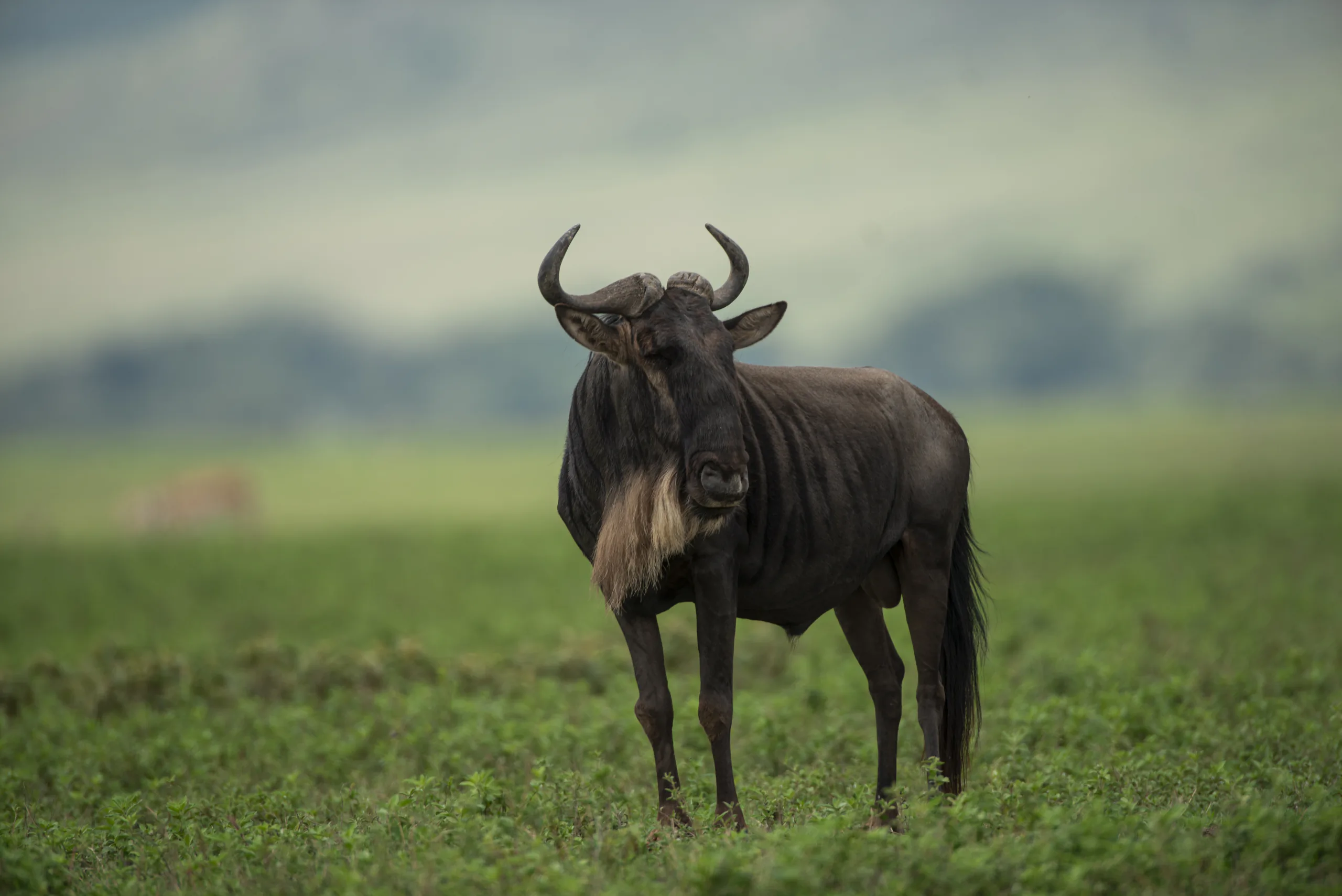
Overview
What is the Great Migration?
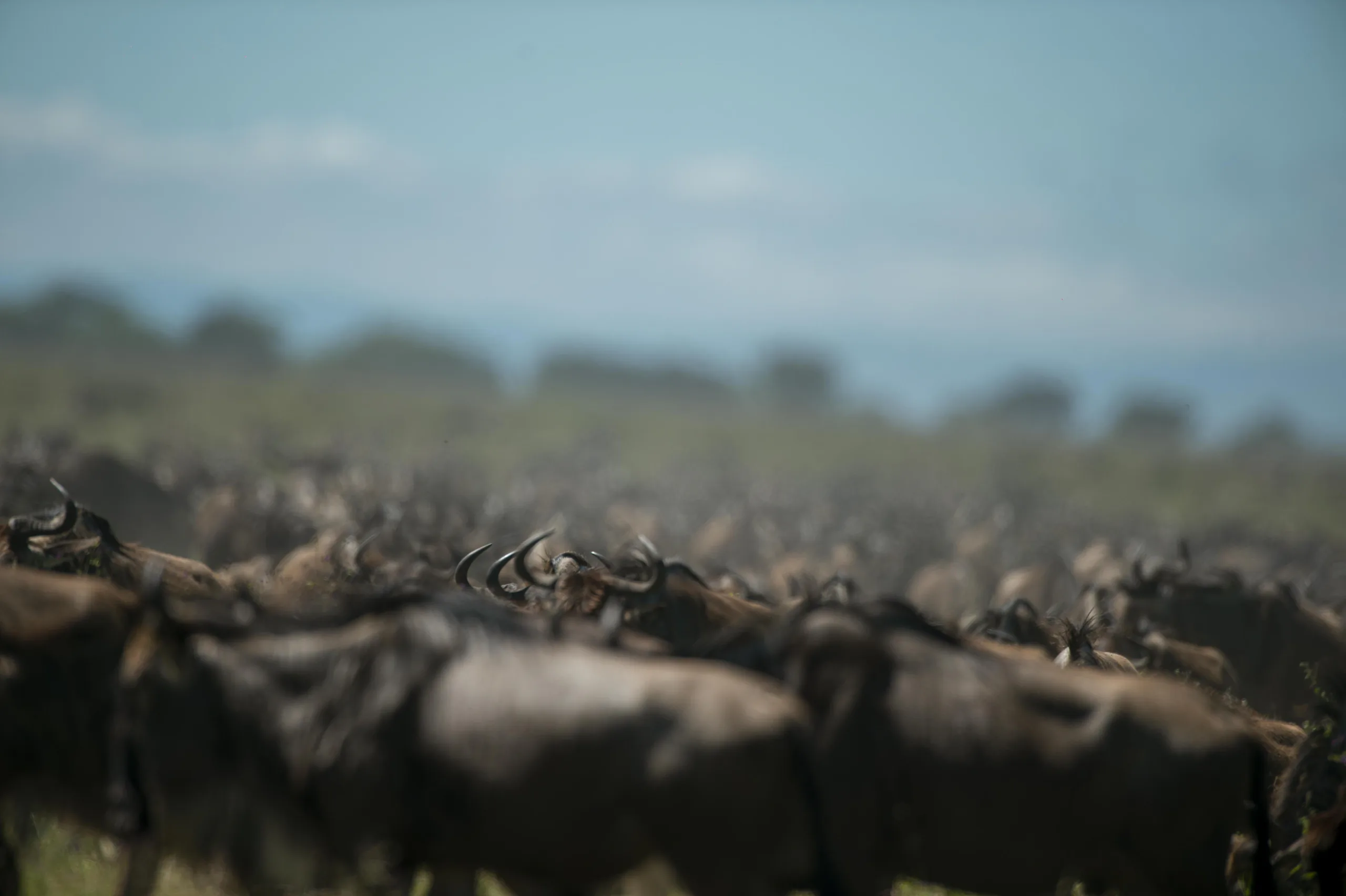
The Great Migration is not a single moment. It is a living circle of rain, grass and survival that moves across the Serengeti ecosystem through the year. About 1.5 million wildebeest lead the movement, joined by zebra and gazelle that follow the same promise of fresh grazing.
Predators read the movement as closely as the herds do. Lions, leopards, cheetahs and hyenas turn the migration into a complete safari story: birth, movement, risk, river crossings and return. For a traveller, that means every chapter feels different, even when the ecosystem is the same.
1.5M+ wildebeest
The headline herd that powers the entire migration story.
Zebra & gazelle
Thousands more animals travel with the herds in the same rhythm.
12 months
The cycle never really stops, it simply changes location.
2 countries
Tanzania and Kenya share the same giant wilderness system.
A year in motion
How the story unfolds
Think of the migration as a long chapter book rather than a scene that repeats on command. Rain, grass and instinct decide where the herds move next.
January to March: calving season
In the southern Serengeti and Ndutu plains, short grass and open space bring thousands of newborn calves into the world. Predators stay close, which makes this one of the most intense and beautiful wildlife scenes in Africa.
April to June: the long rains
As the grasses grow and the skies open, the herds begin to fan out and drift west and north. The movement is less dramatic than the crossings, but it is the heart of the migration's logic: follow the rain, then follow the grass.
July to October: river crossing season
Northern Serengeti and the Mara River become the most famous stage in the story. Crossings happen when the herds choose to move, not when a calendar says they should, which is why expert timing and patience matter so much.
November to December: the return south
Short rains pull the movement back toward the southern plains. The circle begins again, and the next calving season slowly rebuilds the entire drama from the ground up.
Choose the chapter you want to witness
Different parts of the ecosystem tell different versions of the same story: new life in the south, big cat territory in the centre, and the legendary crossings in the north.
Explore Safari Experiences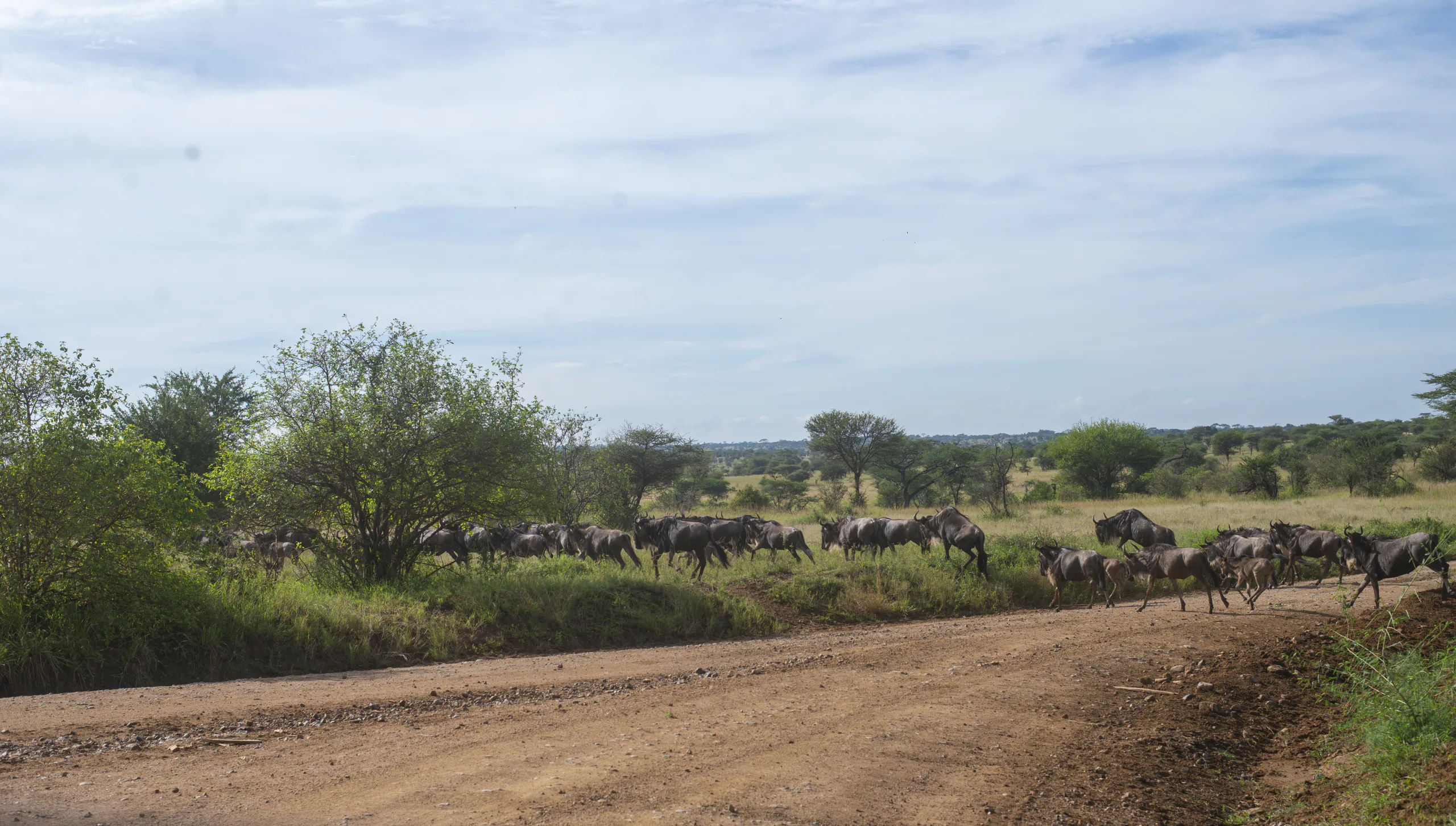
Ndutu & Southern Serengeti
This is where new life arrives. Short grass plains, newborn calves and intense predator action make the south the most emotionally charged chapter of the migration.
Plan This Chapter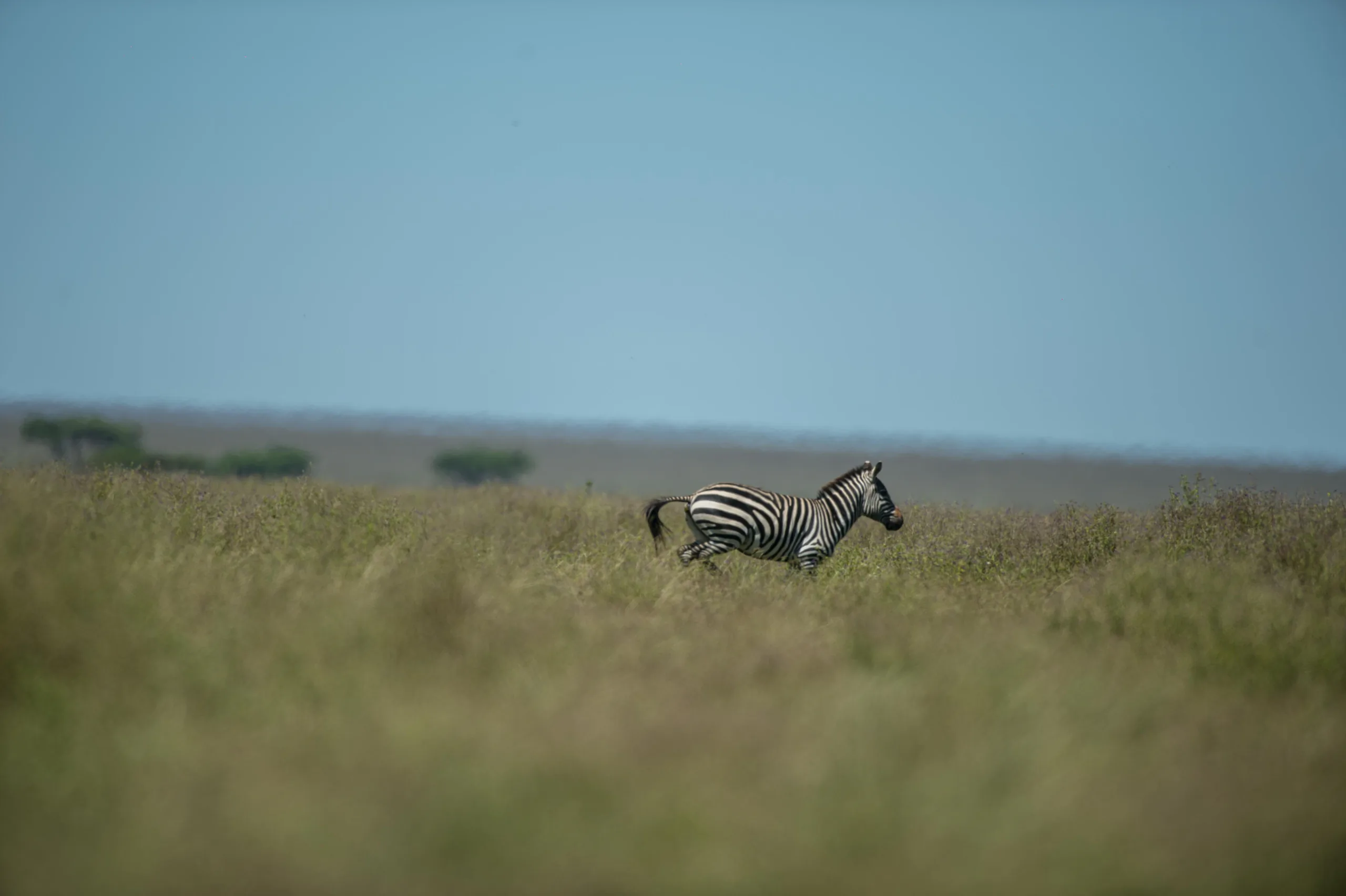
Central Serengeti
The herds pass through a classic safari landscape where lions, leopards and cheetahs remain active all year, even when the migration itself is in between its dramatic moments.
Plan This Chapter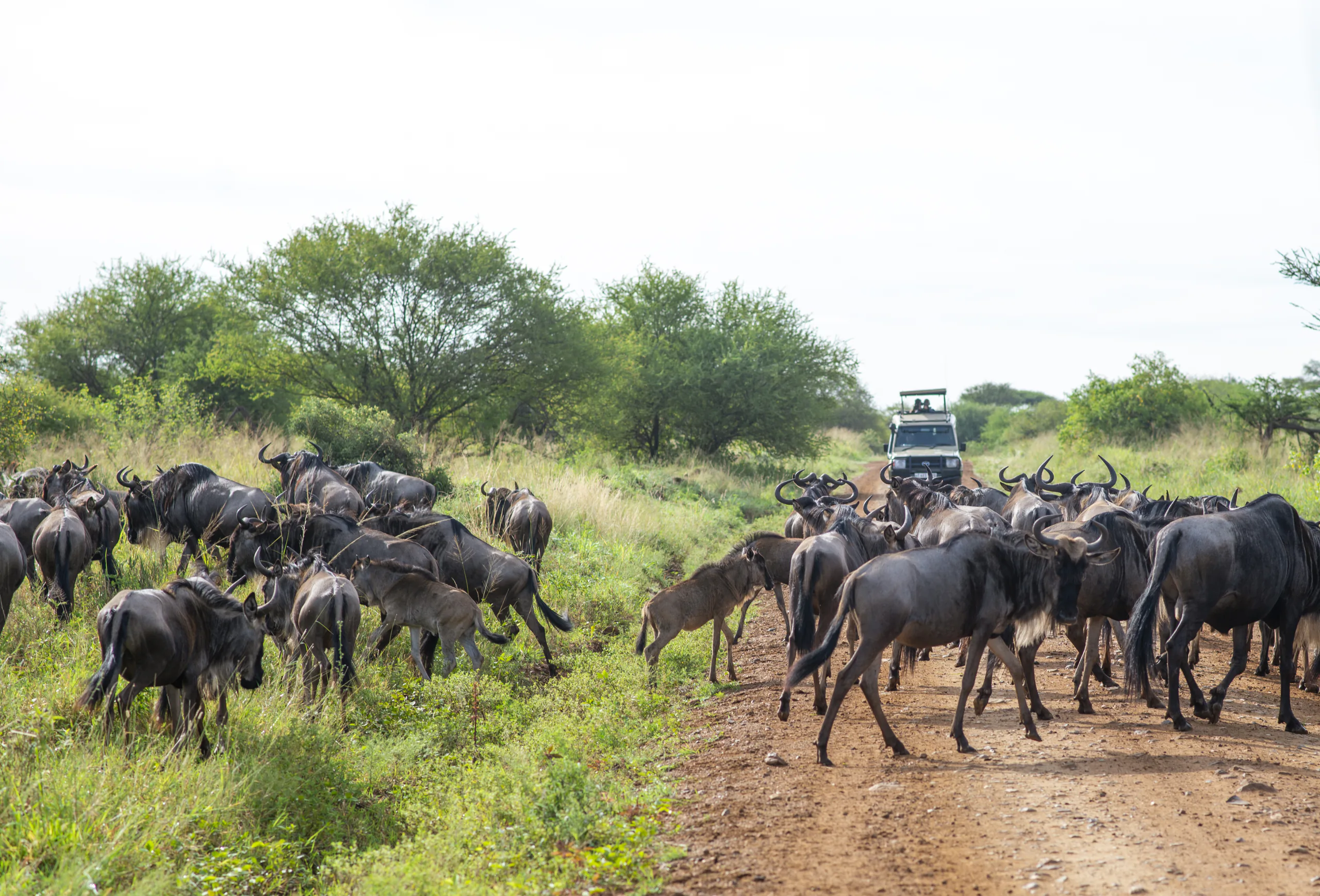
Western Corridor & Grumeti
As the rains taper, the herds push west. The landscapes open up, the movement feels larger, and the tension starts to build toward the river season.
Plan This Chapter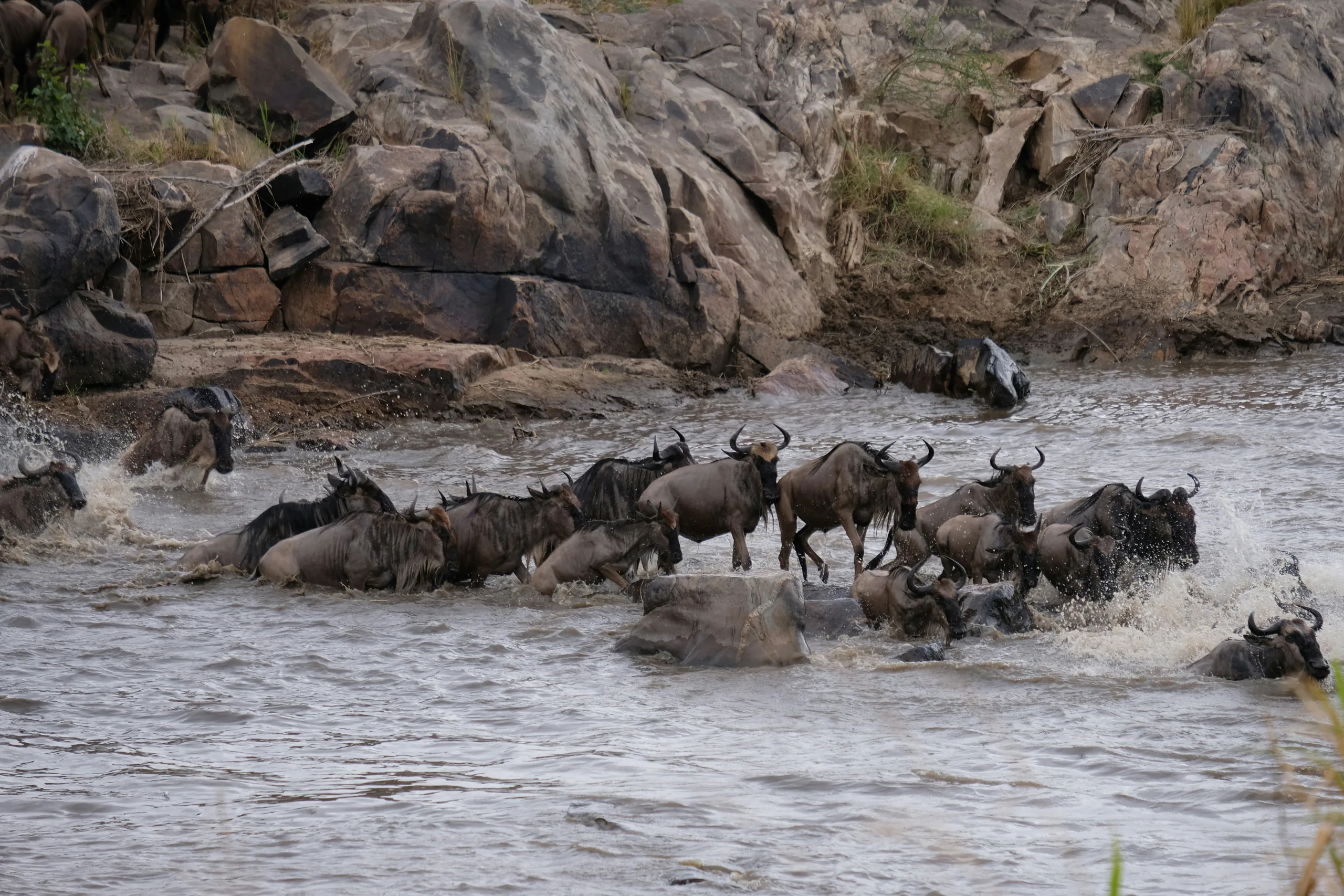
Northern Serengeti & Mara River
The chapter everyone imagines. Crossings are unpredictable, but when they happen the scale, noise and momentum are unforgettable.
Plan This ChapterHow to plan the migration
The right season, route and camp make all the difference
Because the migration follows rainfall and animal instinct, the best trip is the one that matches the chapter you want to see. A good plan keeps the experience elegant, clear and stress-free.
Choose the chapter
Calving, movement, or river crossings. Each phase tells a different story and changes the kind of safari you should book.
Match the camp
Where you stay matters. Northern camps suit crossings, while Ndutu is ideal when the plains are full of new life.
Stay flexible
River crossings are not scheduled events. The best migration journeys leave room for patience and real safari timing.
Give it enough days
Five to eight nights gives the migration space to breathe and lets the story unfold at the right pace.
Add the right extras
Pair the migration with the Ngorongoro Crater, a private guide or a beach finish in Zanzibar for a fuller Tanzanian story.
Plan for comfort
Good vehicles, thoughtful camps and a calm pace turn a famous wildlife event into a genuinely luxurious journey.
FAQ
Migration questions, answered
A simple guide for travellers who want to understand the migration well enough to plan with confidence.
Ready to follow the herds?
Let the season shape the journey
We will map the right season, route, camps and pace so the migration feels vivid, balanced and effortless from the first idea to the final game drive.
Request a Tailored Migration ProposalTrusted & Accredited





Plan Your Migration Safari
Let the season lead the way.
Tell us when you hope to travel and the migration chapter you want to witness. We will shape the right route, camps and pace around the movement of the herds.
Every proposal is private, considered and built around the moments that matter most to you.
Match your dates with the strongest migration region and wildlife chapter.
Stay close to the action without compromising comfort or atmosphere.
Travel with a guide who reads the landscape and adapts each day with care.
Tell us how you want the story to unfold
Share the shape of your journey and we will refine it into a bespoke migration safari.
Thoughtful timing, clear routing and enough space for the wild to surprise you.